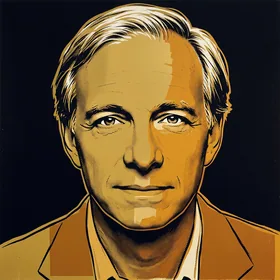
The third of Dalio’s economic volumes takes the machinery of the first two and points it at the present.
The argument
“The same basic sequence of events that leads central governments and central banks to go broke has happened repeatedly throughout history and it isn’t well-understood.”
— Ray Dalio, How Countries Go Broke
His purpose is stated plainly: to describe the sequence so it is understood, then to show where the indicators currently sit. He believes we are inside one of those cases.
How it fits with the other two
Big Debt Crises supplies the mechanism. Changing World Order places debt inside a wider cycle of internal conflict, geopolitics, nature and technology. This book applies both to government balance sheets now, and is the shortest and most direct of the three.
Where to be sceptical
A framework applied to the present cannot be evaluated the way one applied to 1929 can. Dalio has been forecasting variants of this for some years, and the book’s confidence has grown rather than narrowed.
He is also not a neutral party. He runs money, he holds public positions, and warnings of this kind attract attention. None of that makes the analysis wrong; it does mean the appropriate reading posture differs from the one for Big Debt Crises, where he was describing a crisis he had already traded through.