Ref. 51 · quick takes · Power reserve 2 min
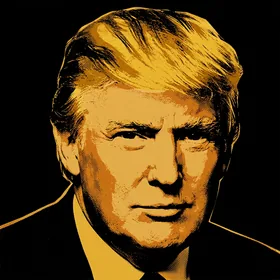
Donald Trump’s Case for Thinking Bigger

Most people cap their own ambitions before the market ever gets a chance to. Trump’s argument is that the mental effort is the same either way — so why aim low?
“If you’re going to be thinking anyway, you might as well think big.”
— Donald J. Trump, The Art of the Deal
This line opens The Art of the Deal and it sets the tone for everything that follows. Trump’s point isn’t about delusion or reckless optimism. It’s about the economics of attention. Thinking small and thinking big require roughly the same cognitive resources — the same hours of planning, the same conversations, the same sleepless nights. The difference is in the size of the outcome you’re working toward.
Trump pairs this philosophy with a deal-making approach he describes as “quite simple and straightforward: I aim very high, and then I just keep pushing and pushing and pushing to get what I’m after. Sometimes I settle for less than I sought, but in most cases I still end up with what I want.” That’s the practical application of thinking big — it resets the negotiating range. When your starting position is ambitious, even a compromise lands you somewhere most people never reach.
This applies well beyond real estate. Whether you’re negotiating a salary, scoping a product launch, or setting annual targets, your opening frame determines the ceiling of the outcome. People who “think small” often do so because it feels safer — less exposure to failure, less risk of looking foolish. But the cost of that safety is invisible: it’s the deals you never pursued, the asks you never made, the leverage you left on the table.
The takeaway isn’t to be reckless. It’s to audit where you’re unconsciously shrinking your ambitions. If the effort required is roughly the same, the only variable is what you’re aiming at. Raise the target. The worst outcome of thinking big is that you land somewhere in the middle — which is usually where small thinkers were aiming in the first place.