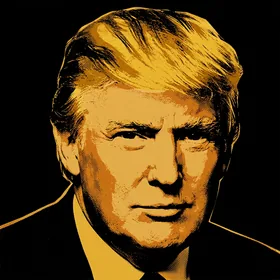
The Art of the Deal is better known than it is read, and what it actually contains is a fairly technical account of assembling New York property deals in the late 1970s and 1980s.
The one genuinely sharp passage
“The worst thing you can possibly do in a deal is seem desperate to make it. That makes the other guy smell blood, and then you’re dead. The best thing you can do is deal from strength, and leverage is the biggest strength you can have. Leverage is having something the other guy wants. Or better yet, needs. Or best of all, simply can’t do without.”
— Donald Trump, The Art of the Deal The escalation — wants, needs, can’t do without — is a useful ladder, and the observation about desperation is true and under-applied. Note also that he concedes leverage often does not exist and has to be manufactured through persuasion, which is a more honest account of negotiating than the book’s reputation suggests.
He is also candid about the downside on the Commodore Hotel deal: “I could envision a huge home run, but I also knew that failing could bury me.”
Where to be sceptical
The provenance is unusual and you should know it. The book was written by Tony Schwartz, credited as co-author, who has since spoken and written extensively about regretting it and about having constructed a flattering portrait from material that did not support one. It is rare for a book’s actual writer to publicly disavow its characterisation of its subject, and it changes how the biographical passages should be weighted.
The negotiating observations stand on their own merits and can be tested against your own experience. The account of events cannot be tested that way, and there is a substantial body of contemporaneous reporting that disputes it.