Ref. 109 · Founder Stories · Power reserve 2 min
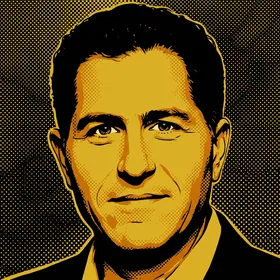
How Michael Dell Did What Almost No Founder Ever Does: Get His Company Back
Most founders who lose control of their company never see it again. Michael Dell got his back — and then took it public a second time.
“It’s a fast-paced tale of launching a public company, taking it private, and then taking it public again, all while wrestling with colorful characters such as Carl Icahn.”
— Walter Isaacson on Play Nice But Win by Michael Dell
When Michael Dell made the audacious decision to take Dell Inc. private in 2013, he was doing something Wall Street rarely forgives: betting against the market’s verdict on his own company. The $24.9 billion leveraged buyout — one of the largest in tech history — was driven by Dell’s conviction that the company needed radical transformation away from the quarterly-earnings scrutiny of public markets. Activist investor Carl Icahn fought him at every turn, publicly attacking the deal and arguing shareholders were being shortchanged. Dell played nice. And he won.
The move to go private bought Dell the runway to pivot the company from a PC manufacturer into an enterprise technology powerhouse — culminating in the $67 billion acquisition of EMC in 2016. By 2018, Dell Technologies returned to public markets, this time as a fundamentally different business. What looks from the outside like a neat three-act story was, in reality, years of grinding reinvention under enormous financial and personal pressure. The lesson isn’t just about corporate structure — it’s about the willingness to absorb short-term humiliation in service of a long-term vision that only you can fully see.
Most leaders optimize for the approval of the room they’re in. Dell optimized for the company he believed he could build. That distinction is everything. Taking a company private requires not just capital but conviction — the kind that holds up under a Carl Icahn press campaign and skeptical headlines. It also requires something rarer: the patience to let the results do the talking. The title of the book itself is the philosophy — play nice, meaning operate with integrity, but never stop competing to win.
The Memo
-
Reclaim what you built — if you believe the market has mispriced your vision, act on that belief with capital and courage, not just conviction.
-
Use the rules, don’t break them — Dell beat Icahn by playing within the system better than anyone else, not by finding shortcuts around it.
-
Buy yourself time to transform — sometimes the most strategic move is removing the pressure that prevents you from making the right long-term decisions.