Ref. 82 · quick takes · Power reserve 1 min
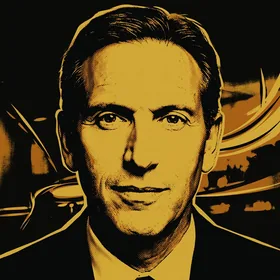
Howard Schultz on the Moment Commitment Changes Everything

Most people treat commitment as something that follows certainty. Schultz built Starbucks by understanding it works the other way around.
“Life is a series of near misses. But a lot of what we ascribe to luck is not luck at all. It’s seizing the day and accepting responsibility for your future. It’s seeing what other people don’t see, and pursuing that vision, no matter who tells you not to.”
— Howard Schultz, Pour Your Heart Into It, ch. Captivate Others
Schultz is describing something he lived firsthand. When he tried to convince investors to back his vision for Starbucks, the rejections were relentless — over 200 of them. What kept the whole enterprise from collapsing wasn’t a better pitch deck. It was the refusal to treat commitment as conditional. He didn’t wait for the path to clear before deciding to walk it. The decision itself cleared the path.
The practical takeaway here is uncomfortable: most people are waiting for enough evidence before they fully commit, but that evidence only appears after commitment, not before. The half-committed version of you — the one still keeping an exit open — will always underperform, not because of bad strategy, but because hesitancy is visible. It shows up in how you pitch, how you hire, how you handle the first serious setback. Full commitment changes your behavior in ways that compound. Pick the thing worth betting on, and then stop hedging.