Ref. 8 · Founder Stories · Power reserve 2 min
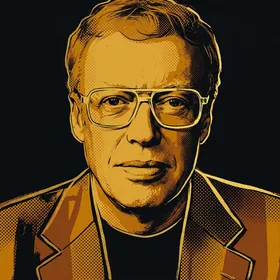
Phil Knight Didn’t Have a Long-Term Vision for Nike — And He Thinks That’s a Good Thing
We love the myth of the visionary founder who knew exactly what they were building from day one. Phil Knight’s actual story is far messier — and far more useful.
“I feel sorry for the people who know exactly what they’re going to do from the time they’re sophomores in high school.”
— Phil Knight, Shoe Dog: A Memoir by the Creator of Nike
Knight built one of the most iconic companies in history, but he didn’t start with a grand blueprint. He wanted to be a professional athlete. He wasn’t good enough. So he shifted to finding any way to stay connected to sports. He happened to run track at the University of Oregon under Bill Bowerman — a coach who obsessively tinkered with running shoes. That relationship, born of proximity and shared obsession rather than strategic planning, became the foundation of Nike. In his memoir, Knight admitted he “wasn’t much for setting” long-term goals. He made short-term bets, followed his curiosity, and adjusted constantly.
What’s striking is how common this pattern is among founders who look, from the outside, like consummate long-term visionaries. Researcher Todd Rose found that high achievers across many fields practice what he calls “short-term planning” — they commit to the next meaningful step rather than mapping out a twenty-year trajectory. Knight didn’t sit down and decide to build a multibillion-dollar athletic brand. He decided to import Japanese running shoes. Then he decided to make his own. Then he decided to sign athletes. Each step was a response to the situation in front of him, not the execution of a master plan.
This matters because the pressure to “have a vision” paralyzes people. They wait for certainty before starting. Knight’s story suggests the opposite approach: start with what you care about, take the nearest interesting step, and trust that the path will reveal itself through action. The long-term vision often only becomes visible in the rearview mirror. Nike looks inevitable now. In 1964, it was a guy selling shoes out of the trunk of his car at track meets, making it up as he went along.
The Memo
-
Stop waiting for the master plan. Commit to the next meaningful step, not a twenty-year roadmap. Knight didn’t plan Nike — he followed a thread that kept pulling him forward.
-
Optimize for proximity to what you care about. Knight couldn’t be a pro athlete, so he found the closest adjacent thing. Stay near your obsession and opportunities will surface that no amount of planning could predict.
-
Treat your career like a series of short-term experiments. Each phase teaches you what the next phase should be. The founders who look like long-term visionaries from afar almost always look like short-term planners up close.