Ref. 180 · Single Quotes · Power reserve 2 min
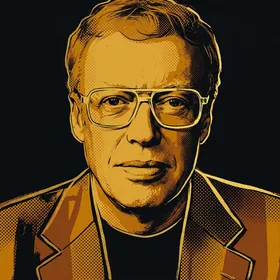
Phil Knight Had No Master Plan — And That’s Why Nike Exists
Most founders retrofit a grand vision onto their origin story. Phil Knight did the opposite — he admitted he had no idea where he was going, and argued that was the point.
“I feel sorry for the people who know exactly what they’re going to do from the time they’re sophomores in high school.”
— Phil Knight, Shoe Dog: A Memoir by the Creator of Nike
When Knight was asked in 2016 about his long-term vision for Nike, he gave an answer that surprised people expecting a heroic origin myth. He wanted to be a professional athlete. That was the plan. But he wasn’t good enough, so he pivoted — not to a new five-year roadmap, but to a single, smaller question: how do I stay close to sports? That question led him to a college track coach named Bill Bowerman, who tinkered with shoes in his garage. The rest collapsed into place, one short step at a time.
In his memoir, Knight writes that he “wasn’t much for setting” long-term goals in the conventional sense. Researchers who studied what they call “dark horses” — people who achieved remarkable success through unconventional paths — found the same pattern. Their subjects didn’t plan five or ten years ahead. They asked: what’s the best match for me right now? And they stayed willing to switch. Knight’s entire early career at Nike reads this way — improvised, reactive, deeply present-tense. He wasn’t building toward a vision. He was solving the next problem.
This cuts against almost everything taught in business school. We’re told to start with the destination, then work backwards. Set the mission, define the milestones, execute. But Knight’s story — and the research behind it — suggests that rigid long-term planning can be a trap, particularly early on. It locks you into an identity before you’ve gathered enough information to know who you actually are or what the market actually wants. Short-term planning isn’t the absence of ambition; it’s ambition that stays calibrated to reality. Knight’s competitive fire was enormous — Source 5 shows he took it personally every time he saw a runner in someone else’s shoe. That intensity was never the problem. What he refused to do was let a fixed plan override what he was learning in real time.
The Memo
-
Replace the five-year plan with a single, honest question: what is the best move available to you right now, given what you actually know today?
-
Stay close to the thing you care about most — Knight couldn’t go pro, but he never left sports. Proximity to your passion creates opportunities that rigid planning closes off.
-
Reserve the right to switch. Changing direction based on new information isn’t failure — it’s the mechanism by which most great companies actually get built.