Ref. 187 · Single Quotes · Power reserve 2 min
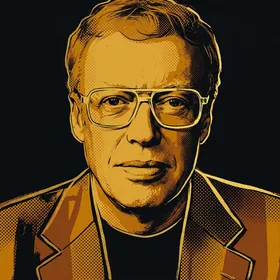
Phil Knight Never Had a Master Plan — And That’s Exactly Why Nike Exists

Most founders rewrite their origin stories in hindsight, swapping confusion for clarity and stumbling for strategy. Phil Knight never bothered with that fiction.
“Go home, a faint inner voice told me. Get a normal job. Be a normal person. Then I heard another faint voice, equally emphatic. No, don’t go home. Keep going. Don’t stop.”
— Phil Knight, Shoe Dog: A Memoir by the Creator of Nike
When Knight was asked in 2016 about the long-term vision behind Nike, he didn’t describe a eureka moment or a business plan drafted in a Stanford dorm room. He told the truth: he had wanted to be a professional athlete. That didn’t work out. So he pivoted to simply staying close to sports in whatever way he could. That pivot led him to run track under coach Bill Bowerman — a restless tinkerer obsessed with shaving grams off running shoes — who would later become his cofounder. Nike wasn’t a destination. It was the result of one short-term decision stacked on another.
Knight himself admitted he “wasn’t much for setting goals,” and Shoe Dog bears that out. The early chapters aren’t the story of a man executing a vision — they’re the story of a man improvising, borrowing money from his father to import Japanese running shoes, selling them from the trunk of his car at track meets, and making every decision one season at a time. He wasn’t building toward Nike. He was just trying not to stop moving.
This runs directly against the career advice most people receive — that success requires a clear long-term vision, a five-year plan, a north star. But research on high achievers (and Knight’s own story) suggests the opposite is often true: rigid long-term plans foreclose the very detours that lead somewhere remarkable. Short-term planning isn’t a lack of ambition. It’s a commitment to staying responsive. It keeps you honest about where you actually are, rather than married to where you thought you’d be. Knight found Bowerman because he was open to finding anything. He built Nike because he was willing to keep building whatever was in front of him.
The deeper lesson isn’t that planning is bad — it’s that certainty is overrated. The founders who look like visionaries from a distance almost always look like improvisers up close. They just refused to quit between the short-term bets.
The Memo
-
Release the master plan. Commit to your next move, not your final destination — the horizon shifts too fast to make the far end useful.
-
Stay close to what you love, even sideways. Knight couldn’t become an athlete, so he stayed in sports. That constraint, not a grand vision, built Nike.
-
Let each short-term decision inform the next. Stacking small, honest bets beats executing a long-term plan that no longer fits the terrain.