Ref. 9 · Founder Stories · Power reserve 3 min
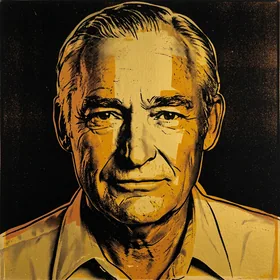
Sam Walton Was Named the Richest Man in America — And Treated It Like a Problem

In 1985, a man who still drove a beat-up pickup truck and got his hair cut at the local barbershop found himself on the cover of every newspaper in the country. He didn’t want to be there.
“Success has always had its price, I guess, and I learned that lesson the hard way in October of 1985 when Forbes magazine named me the so-called ‘richest man in America.’”
— Sam Walton, Made in America
When Forbes published its list, Walton was living in Bentonville, Arkansas — population roughly 10,000 at the time — running Wal-Mart out of the same small-town headquarters he’d always used. Reporters and photographers descended on the town expecting to find a mogul surrounded by the trappings of extreme wealth. What they found instead was a man who wore a Wal-Mart baseball cap, hunted quail with his dogs, and spent his weekends crawling under display tables at competitors’ stores with a spiral notebook, studying how they stocked their merchandise. The Los Angeles Times Book Review later called him “a good ol’ boy business wizard, a man unruined by wealth.” That wasn’t branding. That was just Sam.
Walton didn’t treat the Forbes designation as a badge of honor — he treated it as a disruption. The attention made his life harder, drew unwanted scrutiny to his family, and threatened to distract from what he actually cared about: visiting stores, talking to associates, and learning from customers. There’s an anecdote in the book where a friend catches Walton on his hands and knees in a competitor’s store, inspecting how merchandise was stored under a stack table, interrogating the clerk about inventory management. When asked what he was doing, Walton simply said, “Oh, this is just part of the educational process. That’s all.” The richest man in America, on the floor of someone else’s store, taking notes.
This is the part most people get wrong about humility in business. They think it’s a personality trait — something you’re born with or you’re not. Walton shows it’s a strategic advantage. When you’re not spending energy performing wealth, you can spend it learning. When you’re not insulated by luxury, you stay close to the details that actually drive the business. Every dollar Walton didn’t spend on a private jet or a corner office was a signal to his 300,000+ associates that frugality wasn’t a slogan — it was the operating system. His competitors in the early discount industry were, in his own words, “high-living, big-spending promoters driving around in Cadillacs.” Most of them are gone. Wal-Mart became the largest company in the world.
The lesson isn’t that wealth is bad. It’s that identity is a choice, and the choice you make shapes the culture around you. Walton chose to remain a student — of his customers, his competitors, and his own people — long after the scoreboard said he’d already won.
The Memo
-
Stay on the floor. The higher you rise, the more deliberate you need to be about staying close to the actual work. Walton visited stores obsessively — not to inspect, but to learn. Build that habit before you think you need it.
-
Treat frugality as a signal, not a sacrifice. How you spend communicates what you value. If you want a culture of discipline, live it visibly. Your team is always watching.
-
Guard your attention like it’s your most valuable asset — because it is. Walton resented the Forbes spotlight not out of false modesty, but because it pulled his focus from what mattered. Know what your real work is, and protect your ability to do it.