Ref. 140 · Single Quotes · Power reserve 3 min
Sam Walton’s Most Unwanted Title — And What It Cost Him
Most people spend their lives chasing wealth and recognition. Sam Walton spent his trying to avoid what came with them.
“Success has always had its price, I guess, and I learned that lesson the hard way in October of 1985 when Forbes magazine named me the so-called ‘richest man in America.’”
— Sam Walton, Made in America
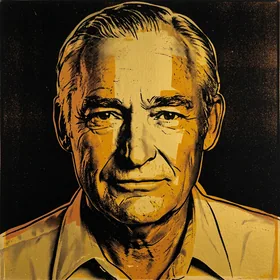
Walton didn’t go looking for the Forbes spotlight. He was running stores in rural Arkansas, driving his pickup truck, getting his hair cut at the local barbershop, and thinking about markdown strategies — not his net worth. When the magazine named him America’s richest man, reporters and photographers descended on Bentonville like it was a news emergency. Walton found the whole thing baffling. To him, nothing had changed. He was still the same man who woke up early, visited stores, and obsessed over giving customers a better deal than the competitor down the road.
But the label changed how the world saw him. And that was the price. Suddenly, the man who had built Walmart on the principle of serving the average American — the working family watching every dollar — was being held up as a symbol of staggering personal fortune. It created a tension he never fully resolved. He kept driving the truck. He kept wearing the tweed jacket and the trucker’s cap. But the gap between the image being projected onto him and the identity he’d built his life around was real, and it was uncomfortable. The richest man in America was also the one who genuinely couldn’t understand why any of it was newsworthy.
What makes this moment instructive isn’t the humility performance — it’s that Walton’s discomfort was authentic. He had constructed a business around identifying with his customers, not rising above them. The Forbes title threatened to sever that connection, to turn a merchant into a symbol. Most founders eventually start playing the role the world assigns them. Walton refused. His insight was that the moment you stop being one of the people you serve, you lose the instinct that made you worth anything to them in the first place. Success extracts that instinct quietly, through comfort and distance, if you let it.
The lesson isn’t to pretend you’re not successful. It’s to be ruthlessly aware of what success is slowly taking from you — and to decide in advance what you won’t trade away.
The Memo
-
Name the price before success arrives. Walton was caught off guard by what wealth cost him in terms of identity and public perception. Know in advance what you’re unwilling to give up — before the world starts deciding for you.
-
Stay proximate to the people you serve. Walton’s edge wasn’t data or scale — it was that he genuinely thought like his customer. The moment founders insulate themselves with distance and comfort, that instinct erodes.
-
Resist the role the world assigns you. A label — richest, most powerful, most influential — is a story someone else is telling. You can acknowledge it without letting it rewrite how you operate.