Ref. 94 · Single Quotes · Power reserve 2 min
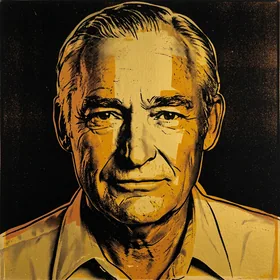
Sam Walton’s Secret Weapon: He Never Forgot Where He Came From

Most CEOs of Fortune 500 companies don’t drive pickup trucks or get their hair cut at the local barbershop. Sam Walton did both — and he genuinely couldn’t understand why anyone thought that was remarkable.
“C still can’t believe it was news that I get my hair cut at the barbershop. Where else would I get it cut? Why do I drive a pickup truck? What am I supposed to haul my dogs around in, a Rolls-Royce?”
— Sam Walton, Made in America
By the time Walton said this, Walmart was already the largest retailer in the United States. He was, by any measure, one of the wealthiest men alive. And yet the question of why he lived modestly seemed to genuinely puzzle him — as if the premise of the question itself was off. To Walton, there was no performance of humility happening. The pickup truck wasn’t a PR move. The barbershop wasn’t a photo opportunity. He simply never stopped being the person his customers were.
Walton built Walmart in rural Arkansas, serving working-class Americans who needed to stretch every dollar. That wasn’t just his market — it was his world. He wore a trucker’s cap and a tweed jacket not to seem relatable, but because he was. The distinction matters enormously. Customers and employees can tell the difference between a leader who performs authenticity and one who actually lives it. Walton’s people trusted him because his lifestyle made a silent promise: I am one of you, and I will never stop fighting for you.
The business lesson here cuts deeper than personal branding. Walton’s groundedness gave him a structural advantage — he understood his customer instinctively because he shared their values, their habits, and their sense of what a dollar is worth. That alignment shaped every decision Walmart made, from pricing strategy to store placement to supplier negotiations. When you lose that connection to the people you serve, you don’t just become less likable — you become less accurate. You start making decisions for a customer you no longer understand. Walton never had that problem.
The Memo
-
Stay anchored to who you serve. Know your customer not just through data, but through lived proximity. The closer your instincts are to theirs, the fewer expensive mistakes you’ll make.
-
Resist the lifestyle creep that disconnects you. Success has a way of insulating leaders from the reality their customers face every day. That insulation is a competitive liability, not a reward.
-
Let your values show up in the small things. The pickup truck wasn’t a strategy — it was a reflection of who Walton actually was. Authenticity at scale starts with consistency in private.