Ref. 249 · Single Quotes · Power reserve 2 min
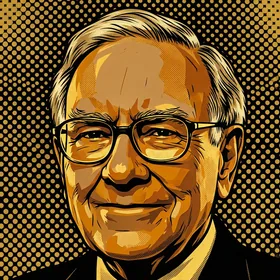
Warren Buffett’s Four-Word Rule That Separates Price From Value

Most people spend their lives optimizing for the wrong thing. They chase lower prices, better deals, cheaper options — and wonder why they keep ending up with less than they bargained for.
“Price is what you pay. Value is what you get.”
— Warren Buffett, Buffett Partnership Letters, 1968
This quote surfaced in a collection of wisdom from founders and investors who were asked a simple question: what saying do you live your life by? Among mosquito metaphors and philosophical paradoxes, Buffett’s four-word contrast stood alone in its clarity. It wasn’t a rallying cry or a clever turn of phrase — it was a precise statement about how most people misread every transaction they ever make.
Buffett has applied this lens to everything from buying stocks to acquiring entire companies. The market tells you what something costs. It does not tell you what it is worth. These are not the same number, and confusing them is one of the most expensive mistakes a person — or a business — can make.
The insight scales far beyond investing. Hire the cheapest candidate and you may pay the lowest salary while absorbing the highest cost. Choose the lowest-bid contractor and watch the “savings” evaporate in delays and rework. The price is visible on the invoice. The value — or the destruction of it — shows up later, quietly, in the results. Buffett’s discipline was to always ask the second question: not “what does this cost?” but “what will this actually deliver?”
That discipline is harder than it sounds. Price is concrete and immediate. Value requires judgment, patience, and the willingness to pay more today for a return that hasn’t arrived yet. It means resisting the psychological pull of a bargain and doing the harder work of understanding what you’re actually getting.
The Memo
-
Separate the invoice from the outcome. Before any significant decision — a hire, a vendor, an investment — ask not what it costs, but what it will actually produce.
-
Train yourself to distrust cheap. Low price is data, not strategy. When something is unusually inexpensive, treat it as a question to answer, not a deal to celebrate.
-
Pay for value deliberately. Identify the one or two areas in your business or life where quality compounds over time, and stop optimizing those for cost.