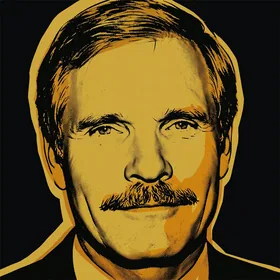
Ted Turner inherited a billboard company, turned a failing UHF station into a superstation, invented the 24-hour news channel, and won the America’s Cup. The book’s usable idea comes from the sailing.
The reframing
After losing the 1974 Cup trials — a public, humiliating defeat — he writes:
“The lessons learned by such a crushing defeat would stand me in good stead for the rest of my life. When I suffer a setback, I don’t think of myself as losing, I’m simply learning how to win.”
— Ted Turner, Call Me Ted He came back and won the Cup in 1977. The line is not motivational filler; it is attached to a specific loss, a three-year gap, and a documented outcome, which is what separates it from the aphorisms usually attributed to him.
Where to be sceptical
Turner explains outcomes through temperament — wanting it more, refusing to quit — which makes the book energetic and largely non-transferable. He is admirably candid about the AOL Time Warner merger that vaporised most of his wealth, and about his bipolar diagnosis, but the analysis of why the merger failed is thinner than the account of how it felt.
Note also that this archive attributed several passages to Call Me Ted that turned out to be Ray Dalio’s, and one that is Jocko Willink’s. Turner is quotable enough that inventing quotes for him is unnecessary; check anything punchy before repeating it.