Ref. 29 · Single Quotes · Power reserve 2 min
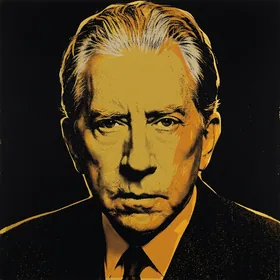
J. Paul Getty’s Quiet Blueprint for Wealth: Serve Many People

Most people chase wealth by asking what the world can give them. J. Paul Getty built one of the largest fortunes in history by inverting the question entirely.
“The businessman should never lose sight of the central aim of all business — to produce more and better goods or provide more and better services to more people at lower cost.”
— J. Paul Getty, How to Be Rich, ch. The Millionaire Mentality
Getty wrote How to Be Rich not as a how-to manual for stock picks or real estate deals — though it covers both — but as a philosophy of what it actually means to build lasting wealth. The book’s structure tells the story: it moves from the mechanics of making money through business operations, then into culture, investment, and finally into values. The progression is deliberate. Getty believed that people who fixate on the money itself miss the mechanism that generates it. That mechanism, in his view, is service at scale.
This wasn’t altruism dressed up as business advice. Getty was one of the shrewdest operators of the twentieth century — a man who installed a payphone in his mansion for guests. He understood incentives down to the penny. But he also understood that the size of your fortune is roughly proportional to the number of people whose problems you solve. Oil made Getty rich because the entire industrial world needed energy. The insight wasn’t “find oil” — it was that the central aim of a business is more and better goods to more people at lower cost, and that everything else follows from executing on it relentlessly.
What makes this principle so durable is its simplicity. It cuts through the noise of tactics and trends. Every lasting business — from Getty’s petroleum empire to today’s technology platforms — is built on the same foundation: solving a real problem for a large number of people. The entrepreneurs who struggle are often the ones building something clever for themselves rather than something useful for others. Getty’s framing reorients the entire pursuit. Stop asking how to get rich. Start asking how to serve broadly. The wealth follows the value created, not the other way around.
The Memo
-
Measure your opportunity by the number of people you can serve. A product that solves a deep problem for millions will always outperform a brilliant idea that helps a handful. Scale your impact, and the economics tend to follow.
-
Invert the wealth question. Instead of asking “How do I make more money?” ask “How do I create more value for more people?” The shift sounds subtle, but it changes every decision you make — from what you build to who you hire.
-
Study Getty’s structure, not just his quotes. He placed “Of Money and Values” as the final section of his book for a reason. Tactics without a philosophy of service produce fragile fortunes. Build the philosophy first.