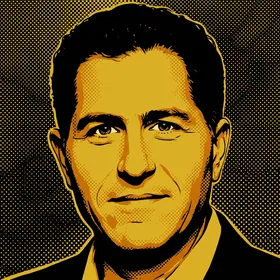
Where Direct from Dell is about building a company, this is about taking it back. The 2013 take-private was the largest technology buyout in history and was contested for months; the 2016 EMC acquisition was larger still.
What the book is actually about
The most interesting passage is not about financing. It is about what a founder can say when confidentiality rules mean he cannot say anything:
“‘So if you trust me, believe me, everything is going to be fine. Don’t worry about it.’ It sounds simple — it was simple. But they did believe me, because I had never lied to them before, and I wasn’t lying now. At the same time, I wasn’t entirely sure how much control I had over the events that were very rapidly unfolding.”
— Michael Dell, Play Nice But Win
That is the book’s thesis in miniature: credibility built over decades is a reserve you draw on precisely when you cannot make an argument. The final clause is what makes it honest — he is asking for trust while privately uncertain he can deliver.
Where to be sceptical
Icahn appears almost entirely as an antagonist. His actual claim — that the buyout price undervalued the company and disadvantaged public shareholders — is a serious one that was litigated, and Dell characterises the man more thoroughly than he engages the argument.
It is also a book about two deals that worked, written by the person who won them. The counterfactual in which the financing fails or the EMC integration goes badly is not explored, because it did not happen to him.